


A Dark Room strategy guide: what should you do first?
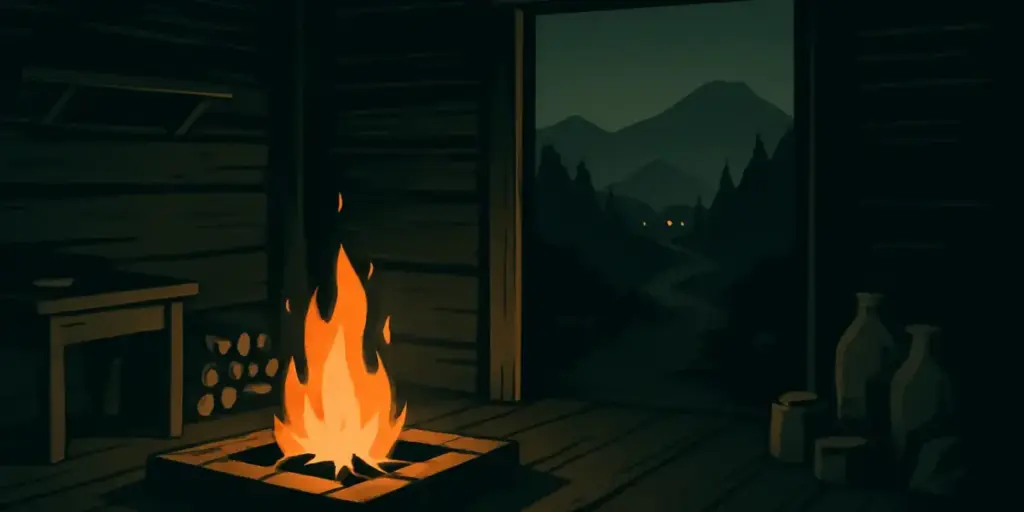
A Dark Room begins with very little information and even fewer resources. You have a room, a fire, and a wilderness that is waiting to be uncovered. The game does not present every system at once, so your first decisions are less about moving quickly and more about creating a reliable foundation.
The most important beginner lesson is simple: do not treat every available resource as equally valuable. Wood, food, population, warmth, crafting materials, and exploration supplies each support a different part of your settlement. If one part of the chain falls behind, progress can slow dramatically. A good opening balances immediate survival with the upgrades that make future actions more efficient.
This guide covers the opening sequence, resource priorities, useful building decisions, preparation for exploration, and the mistakes that commonly cause new runs to stall. It is designed to help you understand why each decision matters rather than give you a rigid order that must be followed in every situation.
Start by making the room self-sufficient
Your first priority is to keep the fire running. The fire is not just decoration: it is the center of your initial settlement and the condition that allows the early game to continue. Gather enough wood to maintain it, then look for the first opportunities to turn basic materials into a repeatable supply.
At the beginning, it is tempting to spend every piece of wood immediately because the game presents several things that can be built or improved. Resist that impulse. Keep a reserve for the fire before committing to optional production. A short-term upgrade is not useful if it leaves the settlement unable to maintain its basic source of warmth.
Once the fire is stable, focus on the first production loop. Your goal is to move from personally gathering everything to having workers produce important materials while you make higher-value decisions. This transition is one of the first signs that the settlement is progressing. It also gives you more freedom to inspect new systems, prepare equipment, and plan your next expansion.
Watch the relationship between workers and supplies. A worker is valuable because the worker produces something repeatedly, but workers also increase the demand placed on your settlement. Adding people without supporting production can create a shortage that affects the whole room. Grow the workforce when you can feed and supply it, not simply whenever another person becomes available.
Resource priorities for beginners
A useful way to think about early resources is to place them into three groups: survival resources, production resources, and progress resources. Survival resources keep the settlement active. Production resources improve the rate at which you gather or craft. Progress resources unlock new tools, buildings, and areas of the game.
- Wood: Treat wood as an early foundation resource. It supports the fire, construction, and several early production needs, so avoid spending your entire stock on one upgrade.
- Food: Food supports population and exploration. A growing settlement can consume more than a new player expects, so maintain a buffer rather than counting on the next harvest arriving at exactly the right time.
- Coal and other fuel materials: These become important as your settlement develops more advanced production. Do not ignore them just because wood is the first resource you notice.
- Crafting materials: Materials used for tools and equipment should be saved with a purpose. Before crafting, ask whether the item improves production, protects an explorer, or opens a meaningful new option.
- Population: People are both an opportunity and a cost. Assign them where they solve your current bottleneck instead of spreading them evenly across every available job.
The best resource priority is usually the one that fixes your weakest link. If the fire is at risk, gather fuel. If the settlement has enough fuel but production is slow, improve the relevant worker assignment or building. If production is comfortable, save toward exploration or the next major unlock.
Do not judge a resource only by its current quantity. A large pile of one material does not mean the settlement is healthy if another essential resource is about to run out. Check the full chain before making a decision: what is being consumed, what is being produced, and which upgrade would reduce the pressure?
Use workers to solve bottlenecks
Worker assignment is one of the most important parts of how to progress in A Dark Room. New players often place one worker in every job because that feels balanced. In practice, a focused workforce is usually more effective. If you need wood immediately, several workers producing wood can be more useful than a single worker assigned to several unrelated tasks.
Before changing assignments, identify the resource that is preventing your next action. That resource is your bottleneck. If you are waiting for wood, increase wood production temporarily. If food is falling behind, move attention toward food until the reserve is safe. If you are preparing for an expedition, make sure the materials needed for equipment and supplies are available before returning to general production.
It is also important to check production over time instead of looking only at the amount currently stored. A resource may appear plentiful while its consumption rate is rising. Conversely, a small stockpile may be perfectly acceptable if the production rate is strong and the next expense is limited. Think in terms of income, spending, and reserve.
Choose buildings for lasting value
Buildings should be judged by the problem they solve and how long that benefit will matter. Early production buildings are often valuable because they convert idle workers into dependable output. Later buildings may unlock crafting, improve efficiency, or support exploration. The best choice depends on what your settlement currently lacks.
A sensible building approach is to ask three questions before spending materials:
- What resource or activity is currently limiting progress?
- Will this building improve that area repeatedly, or only provide a short-term benefit?
- Can the settlement afford the workers and materials needed after construction?
This prevents a common mistake: building something impressive but leaving no resources for the systems that keep it useful. A building that increases production still needs workers, and an exploration-related improvement still depends on food, equipment, and a functioning settlement.
Do not rush through every unlock simply because it is available. Some upgrades are powerful when your settlement is ready for them but inefficient when purchased too early. If an upgrade creates a new demand, make sure you understand how that demand will be met. Progress is not just unlocking more buttons; it is building a system that can support them.
Prepare before leaving the settlement
Exploration is where A Dark Room changes from a quiet resource-management game into a much more dangerous journey. The wilderness offers discoveries, materials, and progress, but an explorer who leaves without enough preparation can waste time or lose valuable supplies.
Before sending an expedition, check the settlement first. Make sure the fire is secure, production is not about to stop, and the food reserve can support the journey. Then consider the explorer’s equipment and the supplies required for travel. Exploration should be treated as an investment: you spend resources now for the chance to return with something that improves the settlement later.
A strong beginner checklist includes:
- Confirm that the fire has enough fuel to remain active while you are away.
- Keep enough food in reserve for both the settlement and the expedition.
- Craft equipment with a clear purpose instead of using materials on every available item.
- Review the explorer’s health and combat readiness before choosing a destination.
- Leave enough production running at home to recover from the expedition’s costs.
The safest exploration habit is to increase your commitment gradually. Do not assume that a successful short trip means the next destination will be equally safe. The wilderness can introduce stronger threats and more expensive mistakes. Return with useful information and materials, then improve your preparation before taking a larger risk.
Exploration also creates an opportunity cost. While an explorer is away, some resources may be spent on travel, supplies, or recovery rather than settlement growth. That is not necessarily a problem, but it means you should explore with a goal. A trip that obtains a needed material, reveals a useful location, or advances a major objective is more valuable than wandering without a plan.
Manage risk instead of chasing speed
The central tension in A Dark Room is that the fastest-looking choice is often not the best long-term choice. Spending your reserve can unlock something now, but it can also leave you unable to respond to a shortage. Sending an underprepared explorer may reveal a new area, but a failed expedition can cost more than the potential reward.
Use reserves as insurance. You do not need to save every item forever, but you should avoid reaching zero on resources that support multiple systems. When deciding whether to spend, separate essential costs from optional ones. Fuel for the fire, food for the population, and supplies for a planned expedition are different from a luxury upgrade that can wait.
Another useful habit is to pause after each major unlock. Look at what has changed. Did the new system create another production requirement? Does it need a new worker assignment? Has exploration become more attractive, or do you first need better equipment? Taking a moment to reassess keeps the game from turning into a chain of accidental shortages.
Common mistakes that slow progress
Many frustrating openings come from a small number of repeatable mistakes. Understanding them makes your next run much more consistent.
- Spending all wood immediately: This can leave the fire vulnerable and force you to recover before you can pursue new goals.
- Growing population too quickly: More workers do not help if food and production cannot support them.
- Assigning workers evenly: A balanced-looking workforce may fail to produce enough of the one resource you currently need.
- Crafting without a plan: Materials are limited early, so prioritize items that directly support production, survival, or exploration.
- Exploring with no reserve: A trip should not leave the settlement unable to maintain its fire or feed its people.
- Ignoring production rates: Current stock is only part of the picture. A resource can disappear quickly if consumption is greater than income.
- Rushing every unlock: New systems are useful only when the settlement can afford their ongoing requirements.
These mistakes are not permanent. A Dark Room encourages learning through observation. If a run stalls, identify the first shortage that caused the problem and consider which earlier decision created it. That answer is usually more useful than simply restarting and repeating the same opening.
How to build a reliable progression rhythm
A steady run often follows a repeating rhythm. First, stabilize production. Second, save for a meaningful upgrade. Third, prepare for exploration or another major objective. Fourth, return to the settlement and repair any weaknesses exposed by that step. This rhythm prevents the game from becoming either completely passive or recklessly aggressive.
During the production phase, focus workers on the resources that support your next goal. During the preparation phase, protect a reserve and craft only what you need. During exploration, pay attention to what the wilderness is teaching you about future requirements. After returning, update your priorities rather than automatically repeating the previous assignments.
This mindset is useful in other games with gradual progression as well. If you enjoy survival pressure and careful preparation, 99 Nights in the Forest offers another setting where planning around danger matters. For a more action-focused challenge built around surviving escalating threats, try 20 Minutes Till Dawn.
Think ahead without overplanning
You do not need to calculate every future action to play well. A short planning horizon is enough. Decide what you want to accomplish next, identify the resources required, and keep a reserve for the unexpected. Once that goal is complete, reassess the settlement.
For example, your next goal might be to improve production, prepare a first expedition, or reach a new stage of crafting. Each goal changes which resources are most important. Avoid following a fixed guide so rigidly that you ignore what your own settlement is showing you. A shortage, a new unlock, or an unexpected setback should change your plan.
That flexibility is part of the appeal. Much like 2048 Rogue, where each choice can affect the shape of future options, A Dark Room rewards decisions that preserve room to adapt. Spend enough to progress, but not so much that one surprise ends the run.
Final beginner strategy
The most dependable A Dark Room strategy is to establish the basics before reaching for the next mystery. Keep the fire secure, build a sustainable production loop, assign workers around bottlenecks, and save materials for upgrades with lasting value. When you are ready to explore, protect the settlement first and prepare the expedition around a clear objective.
Progress should feel deliberate rather than rushed. Every upgrade should make the next decision easier, every worker should support a current need, and every expedition should teach you something about the wilderness. If you enjoy games where improvement comes from practice and careful control, 3Dash provides a different kind of challenge focused on precision and learning from repeated attempts.
Finally, remember that an early setback is useful information. If the fire went out, your fuel reserve or production plan needed attention. If an expedition failed, your equipment, supplies, or destination choice needed more preparation. If the settlement stopped growing, one of its production chains was probably behind. Use that information on the next attempt, and the dark room will become much easier to understand.
For another atmospheric survival-focused experience, you can also try 99 Nights in the Forest with Emma. Then return to A Dark Room with the same principle in mind: observe the pressure, protect your essentials, and make each next step support the one after it.