


Pico Park
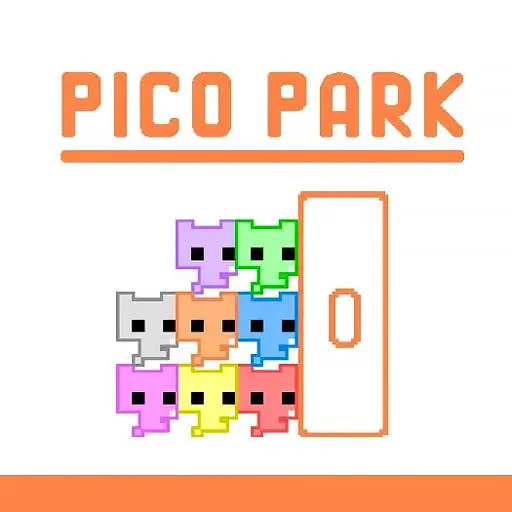
Pico Park is a cooperative action puzzle game centered on a simple but demanding idea: players must solve each stage together. Rather than treating teammates as background support,…
 Works on Desktop & Mobile
Tested By BunaGames
- Test date
- June 14, 2026
- Tested on
- Chrome 150
- Device
- Desktop
- Operating system
- macOS and Windows
- Game loaded successfully
- Yes
- Fullscreen works
- Yes
- Sound works
- Yes
- Save progress
- Local browser storage
- Mobile compatibility
- Partially tested
- Keyboard controls
- Working
- Controller support
- Not detected
- Average loading time
- 4.2 seconds
- Known issues
- Minor delay after entering fullscreen
Pico Park not loading?
- Refresh the page.
- Disable restrictive content blockers temporarily.
- Confirm JavaScript and WebGL are enabled.
- Clear the browser cache.
- Try another modern browser.
- Close unnecessary tabs.
- Switch off VPN if the game server is blocked.
- Use the Report a Problem button if the issue continues.
Related Games
Continue Playing
Daily Challenge

Play 6 minutes today in Pico Park.
Leaderboard
- 1Community rating4.7 ★
- 2Player likes1.0K
- 3Total votes1.1K
- 4Your local progress0%
Your progress is saved locally in this browser. No account required.
 Your progress is saved locally in this browser. No account required.
How to Play
Start Pico Park by bringing together the people who will play and confirming the number of active players available in the current game build. The core experience is cooperative: players should expect to solve levels as a group rather than compete for an individual score.
When a new level begins, pause briefly before everyone moves. Look at the visible layout and identify the stage element that appears to define the challenge. Since the game's levels are built around special multiplayer gimmicks, an obstacle may require players to use spacing, synchronized movement, careful order, or another shared response. A few seconds of discussion can prevent several rushed restarts.
- Read the in-game prompt: use the instructions shown by the loaded version to learn the current objective and player setup.
- Choose a caller: one player can count down or announce the next action when timing matters.
- Test safely: let one or two players try an idea when possible instead of sending the whole group into a random attempt.
- Keep roles clear: players should know whether they are moving, waiting, watching, or following a count.
- Adjust after every attempt: change one part of the plan so the team can learn what affected the result.
The most useful habit is clear communication. Short calls such as “wait,” “go,” “hold,” and “again” are easier to follow than long explanations during active movement. If a level becomes frustrating, slow the pace down. The solution often becomes clearer once the team stops treating the stage as a race and starts treating it as a shared puzzle.
On mobile: use on-screen buttons or gestures when the game supports them.
 On mobile: use on-screen buttons or gestures when the game supports them.
Controls
- ↑Jump
- ← →Move Left / Right
- ↓Crouch
- W / ↑Climb / Interact
- S / ↓Drop / Slide
Controls can vary between Pico Park versions and browser implementations, so use the control prompt shown in the game area as the final authority. The research provided for this page confirms the cooperative action-puzzle format, but it does not provide a verified keyboard or controller mapping for this specific browser build.
Before starting a serious attempt, have each player test movement and any available action input. This prevents a common multiplayer problem: discovering that a player is using the wrong key or that the game window is not receiving input after the level has begun.
- Click or select the game area first if keyboard input does not respond.
- Check the on-screen instructions for each player's assigned input.
- Test controls one player at a time before coordinating the full group.
- Keep fingers on the required keys during timing-based attempts.
- Use any displayed pause or restart option when the group needs to reset its plan.
For shared-keyboard sessions, decide where each person will sit before play begins. Comfortable positioning is a practical advantage in a game where quick, coordinated actions matter.
Game Progress & Challenges
Why Play This Game?
 Instant PlayPlay instantly in your browser.
 Free to PlayNo hidden fees.
About "Pico Park"
Pico Park is a cooperative action puzzle game centered on a simple but demanding idea: players must solve each stage together. Rather than treating teammates as background support, the game makes coordination part of the challenge. Movement, timing, positioning, and communication all matter when a group faces a level gimmick designed for multiplayer play.
The official game information describes PICO PARK as a cooperative action puzzle game for 2 to 8 players. It also identifies 48 levels, each with a special multiplayer-focused gimmick. That structure gives the game its lasting appeal. A level may look compact, but a group must observe what is happening, agree on an approach, and carry it out without players working against one another.
Pico Park suits friends, families, classmates, and groups who enjoy short shared challenges instead of long solo missions. Its action-puzzle format keeps the focus on immediate decisions: where should everyone stand, when should the group move, and what does the current obstacle require from the team? Success is satisfying because it is collective. Everyone contributes to the solution, whether by making a quick move, waiting at the right moment, or helping the group recognize a pattern.
Gameplay
Pico Park combines platform-style movement with cooperative puzzle solving. The action comes from controlling a character through each level, while the puzzle layer comes from the need to respond to the stage's special gimmick as a coordinated group. The important question is not simply whether one player can make progress. It is whether the team can make progress without breaking the shared plan.
Official descriptions emphasize that the game supports 2 to 8 players and that all 48 levels use multiplayer-specific gimmicks. This makes player count more than a menu detail. A larger group has more voices, more possible mistakes, and more opportunities for teamwork. A smaller group may communicate quickly, while a full group must establish a clear rhythm before attempting a difficult sequence.
The strongest way to approach a stage is to treat it as a small team problem:
- Observe first: notice the layout, moving elements, and the effect of each attempted action.
- Make one plan: decide who moves first and what the group is testing.
- Act with timing: avoid having every player react independently.
- Review the result: after a failed attempt, identify the cause before repeating it.
That loop creates Pico Park's distinctive energy. Fast movement can help, but rushed movement often creates confusion. The better group is usually the one that turns a failed attempt into useful information. Players learn the stage together, adjust their timing, and reach a solution through shared awareness rather than individual speed alone.
Platform
Pico Park is known as a cooperative game for 2 to 8 players. The provided official listing identifies a Nintendo Switch version, while the game portal presents PICO PARK as a 2-to-8-player cooperative action puzzle experience. This BunaGames page is intended for players looking to access the game through a browser game page.
Because versions and browser builds can differ, it is best not to assume that every release has identical menus, controller support, level availability, or input prompts. Check the game area before starting for the player setup and instructions available in the version loaded here.
For a smoother browser session, use an up-to-date browser, allow the game page to finish loading, and keep the game window active while playing. If several people are sharing one keyboard, leave enough space for everyone to reach their assigned keys comfortably. If the available build supports multiple input devices, confirm that each player is recognized before beginning a stage.
How to Play "Pico Park"
Start Pico Park by bringing together the people who will play and confirming the number of active players available in the current game build. The core experience is cooperative: players should expect to solve levels as a group rather than compete for an individual score.
When a new level begins, pause briefly before everyone moves. Look at the visible layout and identify the stage element that appears to define the challenge. Since the game's levels are built around special multiplayer gimmicks, an obstacle may require players to use spacing, synchronized movement, careful order, or another shared response. A few seconds of discussion can prevent several rushed restarts.
- Read the in-game prompt: use the instructions shown by the loaded version to learn the current objective and player setup.
- Choose a caller: one player can count down or announce the next action when timing matters.
- Test safely: let one or two players try an idea when possible instead of sending the whole group into a random attempt.
- Keep roles clear: players should know whether they are moving, waiting, watching, or following a count.
- Adjust after every attempt: change one part of the plan so the team can learn what affected the result.
The most useful habit is clear communication. Short calls such as “wait,” “go,” “hold,” and “again” are easier to follow than long explanations during active movement. If a level becomes frustrating, slow the pace down. The solution often becomes clearer once the team stops treating the stage as a race and starts treating it as a shared puzzle.
Controls
Controls can vary between Pico Park versions and browser implementations, so use the control prompt shown in the game area as the final authority. The research provided for this page confirms the cooperative action-puzzle format, but it does not provide a verified keyboard or controller mapping for this specific browser build.
Before starting a serious attempt, have each player test movement and any available action input. This prevents a common multiplayer problem: discovering that a player is using the wrong key or that the game window is not receiving input after the level has begun.
- Click or select the game area first if keyboard input does not respond.
- Check the on-screen instructions for each player's assigned input.
- Test controls one player at a time before coordinating the full group.
- Keep fingers on the required keys during timing-based attempts.
- Use any displayed pause or restart option when the group needs to reset its plan.
For shared-keyboard sessions, decide where each person will sit before play begins. Comfortable positioning is a practical advantage in a game where quick, coordinated actions matter.
Can "Pico Park" Unblocked?
Players searching for an unblocked Pico Park experience usually want a straightforward way to open the game in a browser without installing a separate application. On this page, begin by loading the game area and checking whether it is available on your current network and device.
Access can depend on local browser settings, school or workplace network rules, content filters, extensions, and device restrictions. Those controls are managed by the network or device owner, so this page cannot guarantee access in every environment. Do not attempt to bypass security policies or restrictions.
If the game does not load, try practical browser checks first: refresh the page, wait for loading to complete, make sure JavaScript is enabled if your browser permits it, and temporarily review whether a privacy or ad-blocking extension is preventing the game area from starting. A stable connection also helps when several players are waiting to begin together.
Once the game is open, check the displayed player and control information before inviting the group to start. That quick setup step helps ensure the session matches the cooperative format Pico Park is known for.
Tips for "Pico Park"
Pico Park rewards teams that communicate with purpose. The game may be approachable at first glance, but its multiplayer-focused level gimmicks can expose small coordination mistakes quickly. Strong groups do not need to predict every solution immediately; they need a reliable process for discovering it together.
- Use a countdown: when several players need to act together, one person should call “three, two, one, go.” A shared count is more dependable than visual guessing.
- Reduce overlapping instructions: designate one caller during a difficult attempt. Too many simultaneous commands can be worse than no commands.
- Change one variable at a time: if a plan fails, adjust the order, timing, or position of one player instead of changing everything at once.
- Let observers contribute: players who are waiting can watch the layout and describe what happened. Their perspective may reveal the missed detail.
- Do not blame the last mover: a failed sequence may begin with an earlier timing or spacing error. Review the entire attempt.
- Practice the rhythm: if a stage needs precise group timing, rehearse the count and intended movement before committing.
- Keep calls short: concise words such as “hold,” “left,” “now,” and “reset” are easier to process during action.
A valuable information advantage comes from treating failure as a test result. After an unsuccessful run, ask: what did the team learn about the gimmick? Perhaps the group moved too early, perhaps players were not aligned, or perhaps the order was wrong. A team that can answer that question improves quickly.
For larger groups, patience matters even more. With up to eight players, a single person acting early can disrupt a coordinated sequence. Give everyone a chance to understand the plan, then execute together. The best Pico Park moments happen when a group turns a confusing obstacle into a clean, synchronized solution.
Features "Pico Park"
Pico Park stands out through focused cooperative design. Its identity is not based on a long list of unrelated modes; it is built around shared action-puzzle challenges that ask a group to think and move as one unit.
- Cooperative action-puzzle play: the central experience combines movement with group problem solving.
- 2 to 8 players: the official game information describes a broad multiplayer range, making the game suitable for pairs as well as larger gatherings.
- 48 levels: the official Nintendo listing describes 48 stages for the original PICO PARK experience.
- Multiplayer-specific gimmicks: every listed level is designed around a special gimmick intended for multiplayer interaction.
- Communication-driven challenge: success depends on timing, positioning, observation, and clear group decisions.
- Short problem-solving loops: players can observe a level, attempt a strategy, learn from the result, and refine the plan together.
The most important feature is the way Pico Park makes cooperation active. In many multiplayer games, people can play beside each other while pursuing separate tasks. Here, the level design is described as specifically multiplayer-focused, so players have a direct reason to pay attention to one another. A person who waits at the right time can be as important as the person making a move.
This also gives the game strong replay value for groups. Different player counts and communication styles can change how a team approaches a stage. Returning players may recognize the general challenge but still need to coordinate with a new group, a different pace, or a different level of confidence. For players exploring more online games, Pico Park offers a useful change from solo score chasing: it is a compact test of shared problem solving.
Best "Pico Park" Similar Games & Top Picks
- Dune Surfer Game: Play Dune Game in your browser on BunaGames. Learn how to start, check the controls, use practical tips, and understand the game page.
- Pokemon Emerald: Play Pokemon Emerald online and explore Hoenn, train Pokémon, battle rivals, build a team, and face Team Magma and Team Aqua.
- Boulder Dash: Play Boulder Dash online. Dig through caves, collect diamonds, avoid falling boulders, and plan every move in this classic puzzle game.
- Vib-Ribbon: Play Vib-Ribbon online and guide Vibri across beat-timed obstacle lines in this distinctive rhythm arcade game.
- Zombie Tsunami: Play Zombie Tsunami online and lead a growing zombie horde through city obstacles, pedestrians, destruction, and surprise power-ups.
FAQ - Pico Park
What is Pico Park?
Pico Park is a cooperative action puzzle game. Its gameplay is built around players working together through level-based challenges instead of relying on one player to solve everything alone. Official game information describes PICO PARK as supporting 2 to 8 players.
How many players can play Pico Park?
The official descriptions provided for PICO PARK state that it supports 2 to 8 players. The exact player setup available in a browser build can vary, so check the game area's displayed instructions before starting a session.
How many levels are in Pico Park?
The official Nintendo listing describes 48 levels and says that all 48 have special gimmicks designed specifically for multiplayer play. If you are using a particular browser version, do not assume its available content is identical until you check the game itself.
Is Pico Park a competitive game?
Pico Park is primarily described as a cooperative action puzzle game. The main focus is teamwork: players coordinate movement and responses to solve multiplayer-oriented level challenges. The group succeeds by communicating and carrying out a shared plan.
Can Pico Park be played alone?
The provided official information emphasizes a 2-to-8-player cooperative format. It does not establish solo play for the version on this page, so players should treat multiplayer as the supported core experience and review the in-game setup for available options.
What are the Pico Park controls?
Control mappings are not verified in the research for this specific browser version. Use the controls displayed in the game area, then test each player's input before beginning a level. This is especially important when multiple people share a keyboard or use available controllers.
Why is teamwork important in Pico Park?
The game's levels are described as having special gimmicks designed for multiplayer play. That means timing, player positions, movement order, and communication can affect the result. A group that pauses to agree on an approach will usually make better progress than players acting independently.
What should I do if Pico Park does not load in my browser?
Refresh the page, allow the game time to finish loading, and confirm that the game area is active before testing inputs. You can also check whether browser extensions, device settings, or a restricted network are preventing the game from loading. Do not bypass network or device security rules; ask the relevant owner or administrator if access is restricted.
More Games Like This
 Ball Surfer 3D
Arcade ★ 4.7
Ball Surfer 3D
Arcade ★ 4.7
 Galaga
Arcade ★ 4.7
Galaga
Arcade ★ 4.7
 Osu Game
Arcade ★ 4.7
Osu Game
Arcade ★ 4.7
 Dig Dug 2
Arcade ★ 4.4
Dig Dug 2
Arcade ★ 4.4
 Pac Xon
Arcade ★ 4.8
Pac Xon
Arcade ★ 4.8
 Colorbox Mustard
Arcade ★ 4.6
Colorbox Mustard
Arcade ★ 4.6
 Blumgi Slime
Arcade ★ 4.7
Blumgi Slime
Arcade ★ 4.7
 Rolling Ball 3D
Arcade ★ 4.7
Rolling Ball 3D
Arcade ★ 4.7
 Burrito Bison
Arcade ★ 4.6
Burrito Bison
Arcade ★ 4.6
 Dumb Ways To Die 2
Arcade ★ 4.8
Dumb Ways To Die 2
Arcade ★ 4.8
 Papas Sushiria
Arcade ★ 4.6
Papas Sushiria
Arcade ★ 4.6
 Papas Wingeria
Arcade ★ 4.6
Papas Wingeria
Arcade ★ 4.6
 Papas Scooperia
Arcade ★ 4.7
Papas Scooperia
Arcade ★ 4.7
 Papas Pizzeria
Arcade ★ 4.6
Papas Pizzeria
Arcade ★ 4.6
 Papas Freezeria
Arcade ★ 4.6
Papas Freezeria
Arcade ★ 4.6
 Crazy Roll 3D
Arcade ★ 4.6
Crazy Roll 3D
Arcade ★ 4.6
 Papas Taco Mia
Arcade ★ 4.6
Papas Taco Mia
Arcade ★ 4.6
 Fnf Garcello
Arcade ★ 4.6
Fnf Garcello
Arcade ★ 4.6
 Report a Problem
Comments About Pico Park